
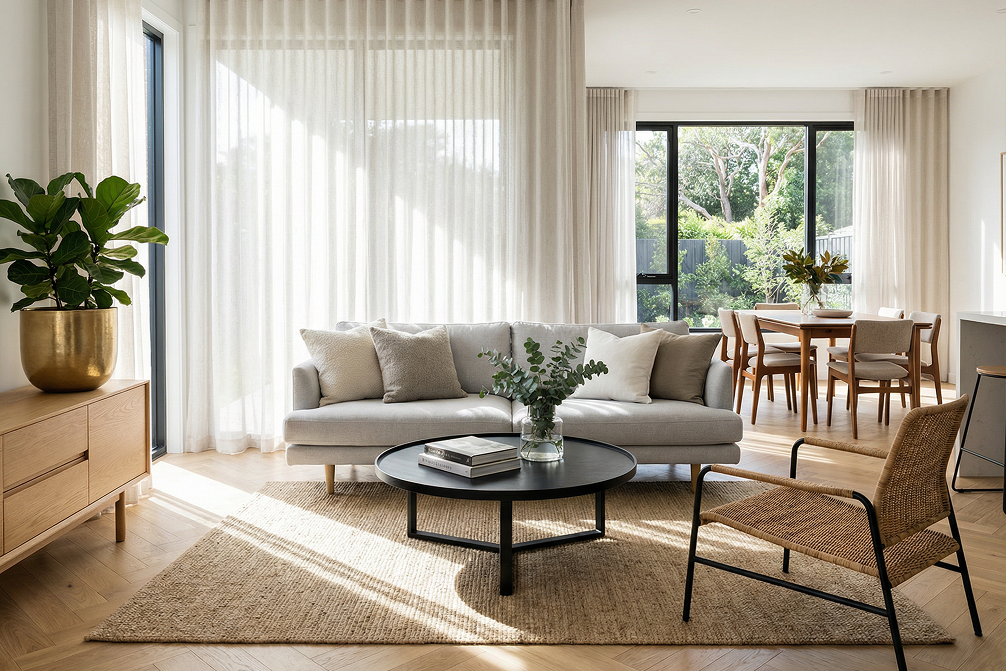
2026 Flooring Trends: What’s In and What’s Out for Modern Homes in Toronto
Flooring trends in 2026 are shifting toward warmth, durability, and long-term practicality. In Toronto and across the GTA, homeowners are no longer picking floors based on photos alone. They are choosing materials that can handle Canadian seasons, day to day wear, and the realities of basements, condos, kids, pets, and open concept layouts.
If you have been researching home renovation ideas, you have probably noticed that the same questions come up again and again. What flooring is in style in 2026. What adds resale value. What is waterproof. What is quiet enough for condo bylaws. What can survive a busy household without constant maintenance. This guide answers those questions and gives you a clear picture of what is in, what is out, and how to choose the right trend for your home.
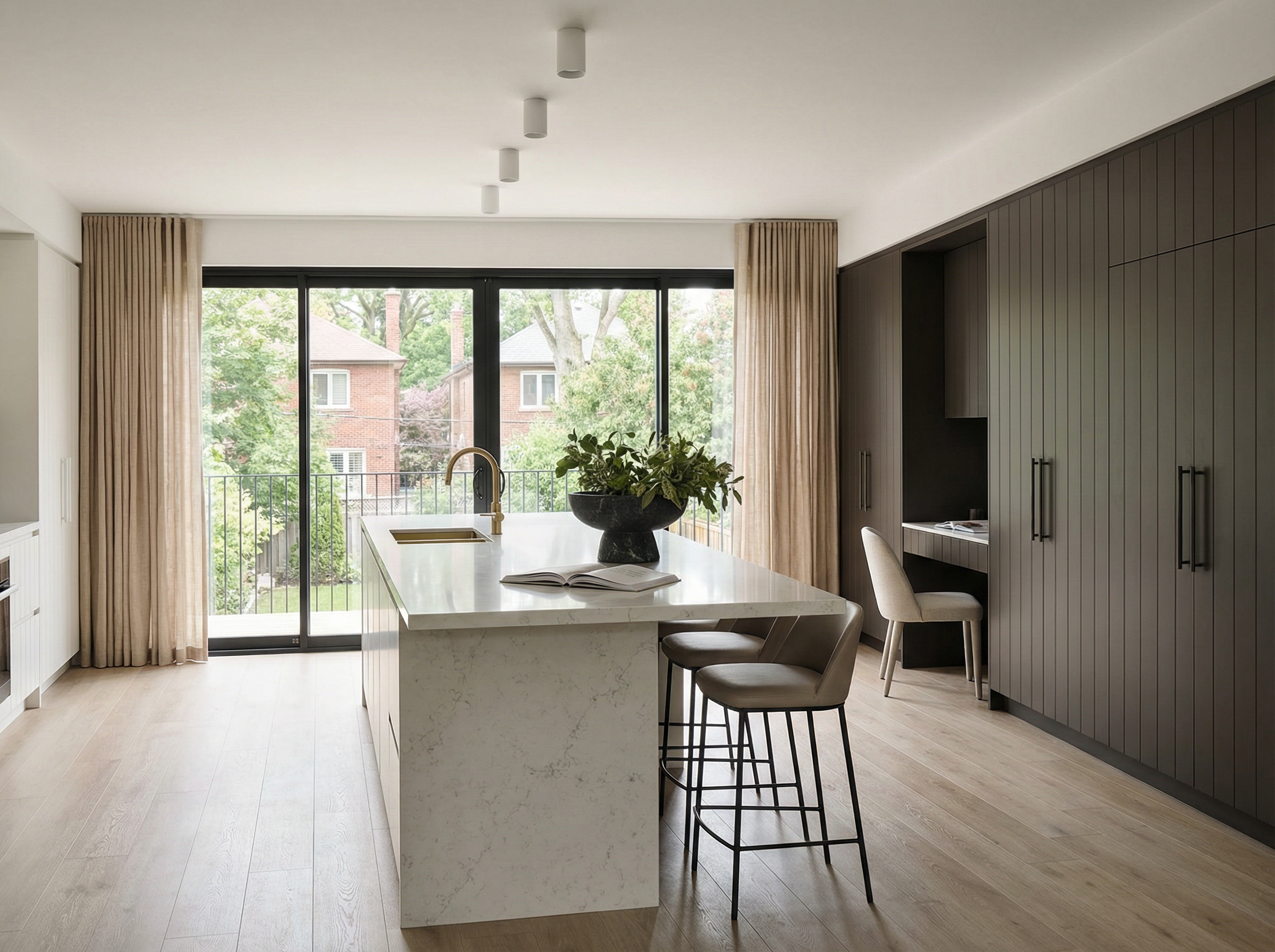
2026 Paint Colour Trends: Top Interior Colour Ideas for a Modern Home Renovation
The colours you choose for your walls do more than set a mood — they shape how your entire space feels, from the ceiling to the floor. As Toronto homeowners plan renovations for 2026, paint palettes are shifting toward warmth, depth, and nature-inspired refinement. Benjamin Moore has set the tone this year with their Colour of the Year, Silhouette AF-655 — a rich espresso-mocha with smoky undertones that signals a broader design movement toward grounded, timeless interiors.
Here is what is trending in 2026 and how to pair each colour with flooring that elevates the look.
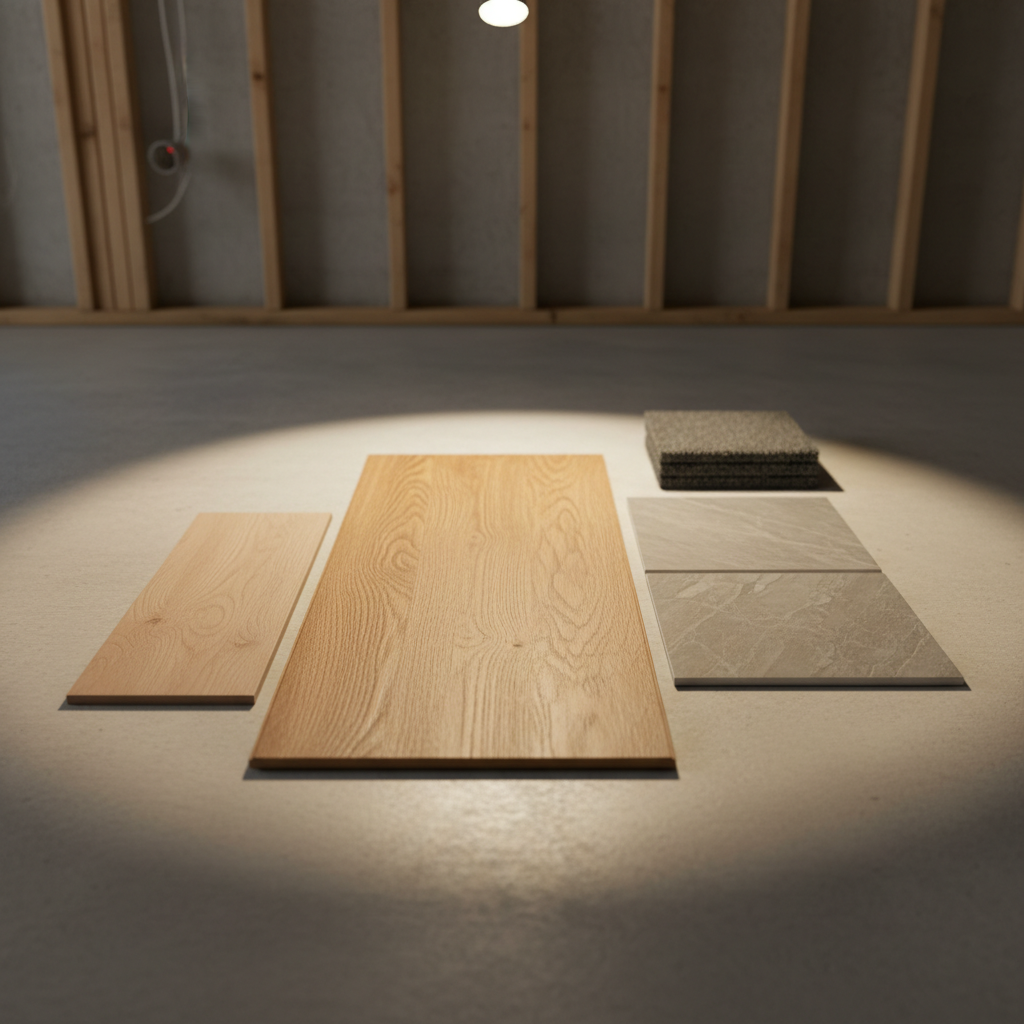
Which Flooring Is Best for Toronto Basements? Waterproof Options Explained
Basements in Toronto present unique flooring challenges. Cold temperatures, humidity, and potential moisture seepage make material selection crucial. The best flooring for Toronto basements is waterproof, stable, and able to withstand seasonal shifts without warping or mould growth.
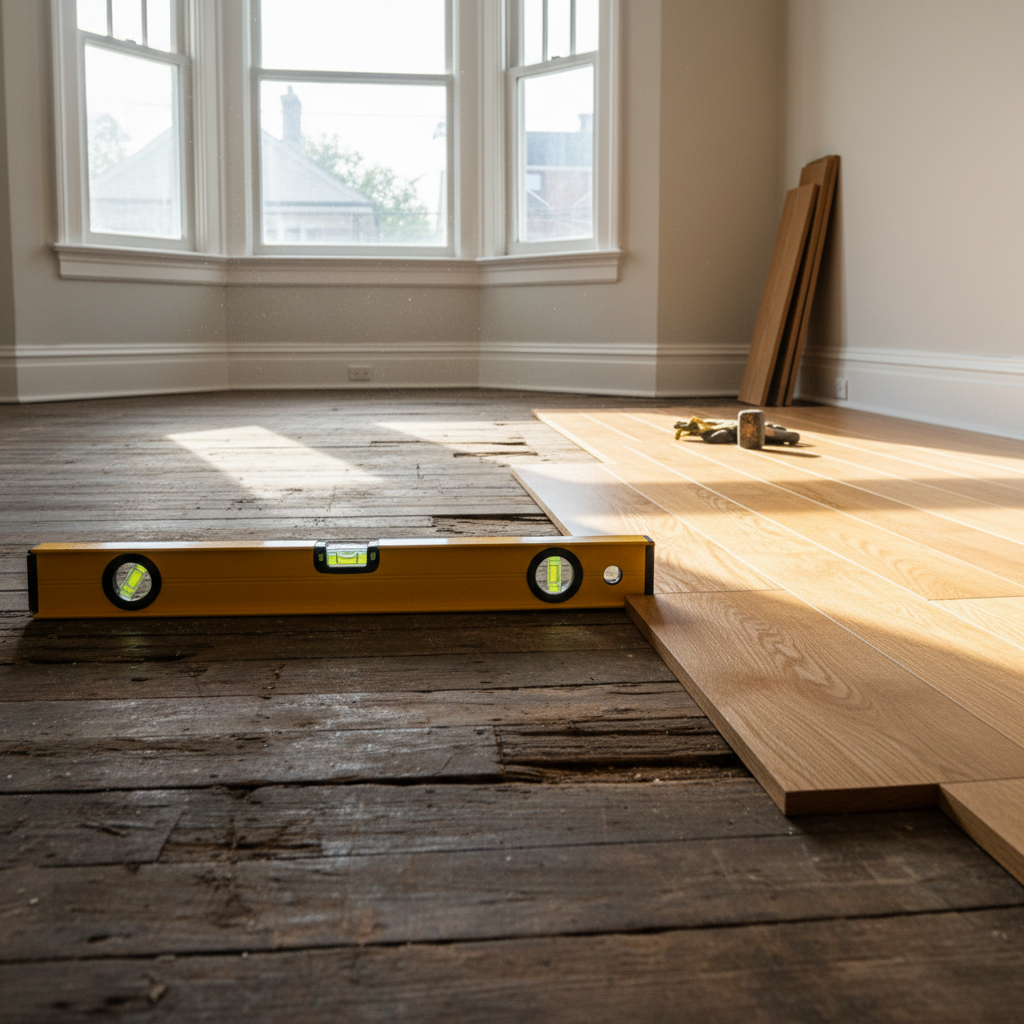
Flooring for Older Toronto Homes: What to Know Before Renovating
Toronto's older homes, particularly those built before the 1970s, offer charm that modern builds cannot replicate, but they come with unique flooring challenges. One of the biggest issues is uneven subfloors—decades of settling create dips and slopes that require levelling before installation to avoid squeaks, gaps, and premature damage. Moisture is another factor, as older basements and main floors often experience humidity swings or minor leaks, making luxury vinyl plank or tile strong choices for their stability and moisture resistance. If original hardwood floors exist, refinishing can reveal beautiful red oak or maple while maintaining historic charm through modern stains and finishes. When replacing floors entirely, wide plank engineered hardwood in natural tones complements older architecture without appearing overly modern, and adding proper underlayment improves comfort, soundproofing, and energy efficiency in homes with drafty floors or minimal insulation.
A Local’s Guide to Flooring for Toronto Weather: Moisture, Temperature, and Seasonal Wear
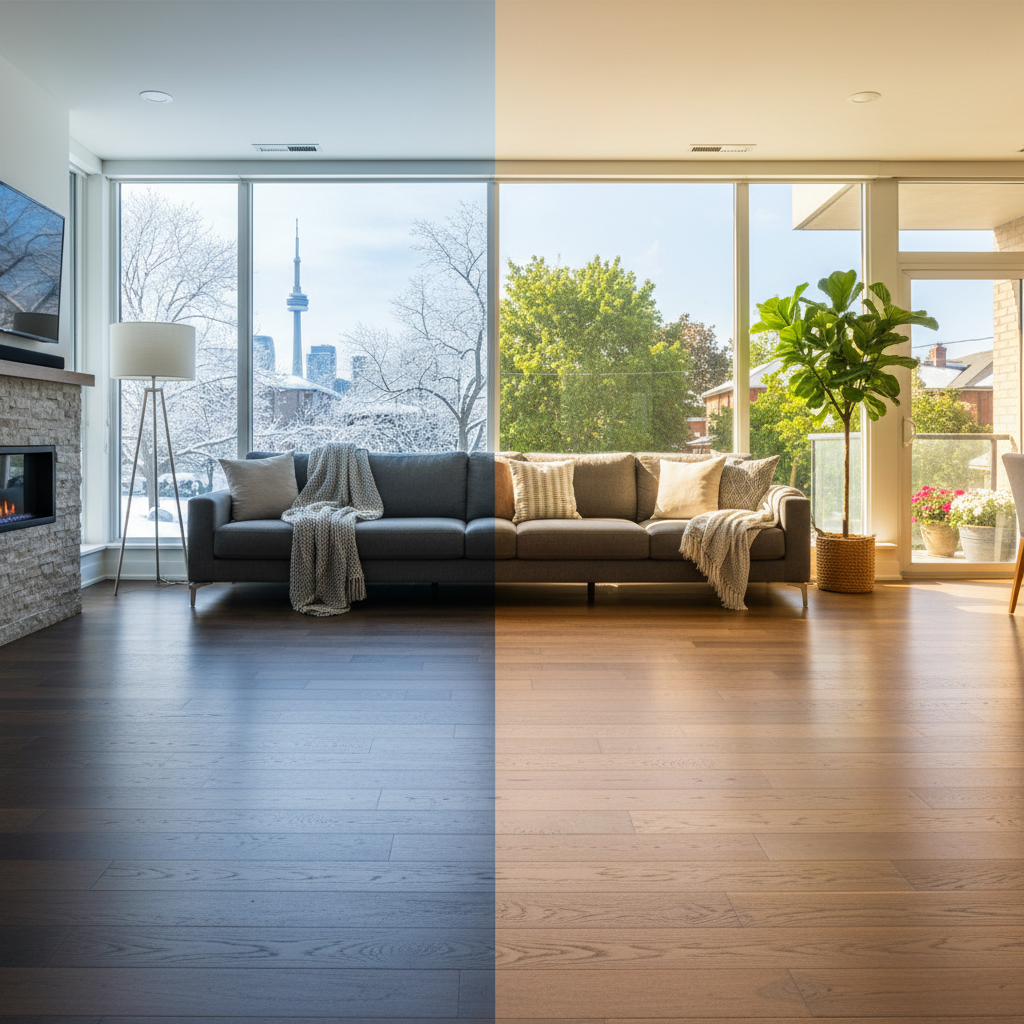
Toronto weather can be unpredictable, with hot summers, freezing winters, and significant humidity swings that all impact flooring performance. Engineered hardwood outperforms solid hardwood because its layered construction makes it more stable during humidity changes, while luxury vinyl plank is one of the most weather-resistant choices—it doesn't expand or contract dramatically, making it ideal for entryways, basements, and kitchens. Porcelain tile resists cracking even in cold conditions and pairs well with heated floors for winter comfort. Proper installation is critical: flooring should acclimate in the home for 48 to 72 hours before installation to adjust to indoor conditions, as skipping this step is one of the biggest causes of shifting and buckling. Ultimately, the best flooring for Toronto weather balances performance with lifestyle needs—engineered hardwood, luxury vinyl, porcelain tile, and quality carpet each thrive when properly installed and maintained.
The Best Flooring Options for Toronto Condos: Noise, Durability, and Style
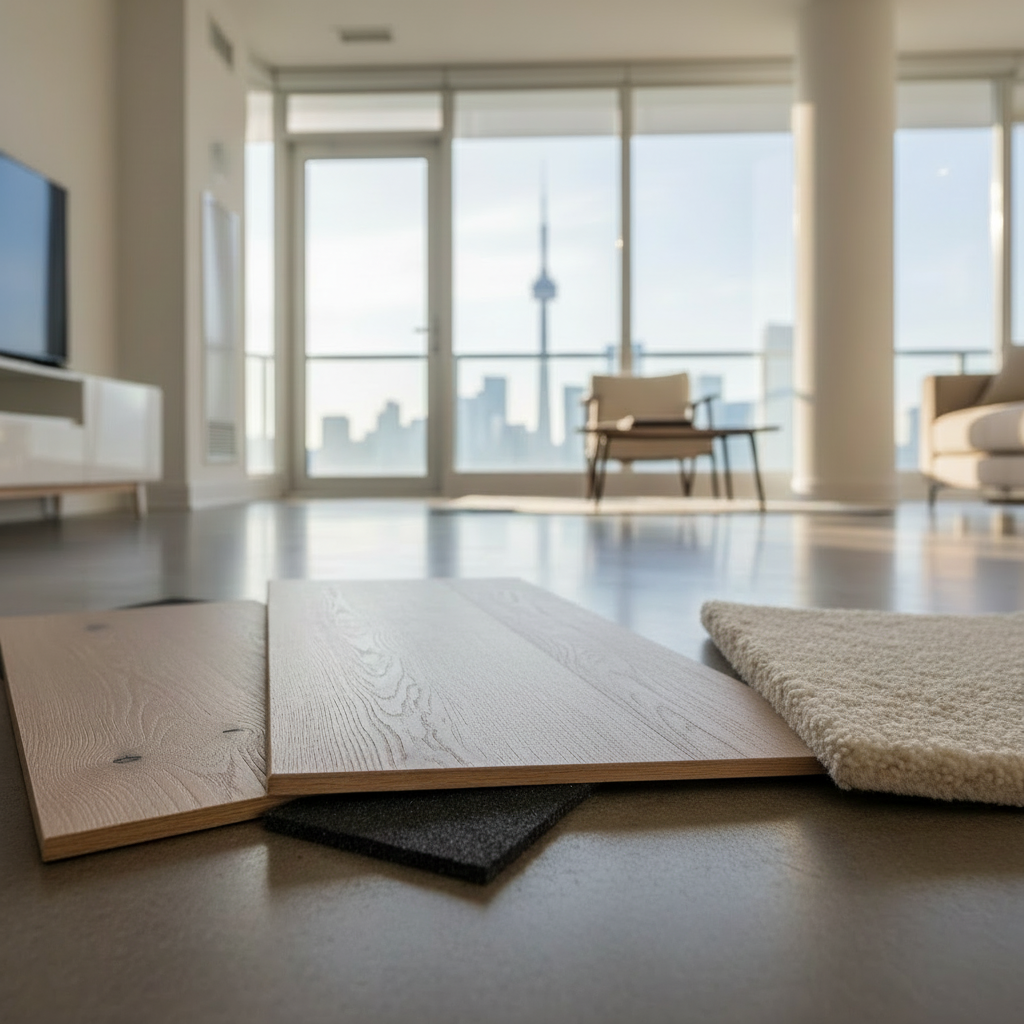
Choosing flooring for a Toronto condo requires balancing strata rules, soundproofing requirements, and smaller layouts. Luxury vinyl plank remains a top choice because it's quiet underfoot, moisture-resistant, and incredibly durable, with realistic wood textures that now rival engineered hardwood in appearance. Engineered hardwood is another premium option—more stable than solid hardwood and ideal when paired with sound-absorbing underlayment to meet building noise requirements. Cork flooring is also gaining traction among eco-conscious homeowners for its natural warmth and excellent sound absorption. When selecting condo flooring, always review the building's IIC or STC rating requirements to ensure compliance while achieving a durable, stylish result.
Top Flooring Trends in Toronto Homes for 2025
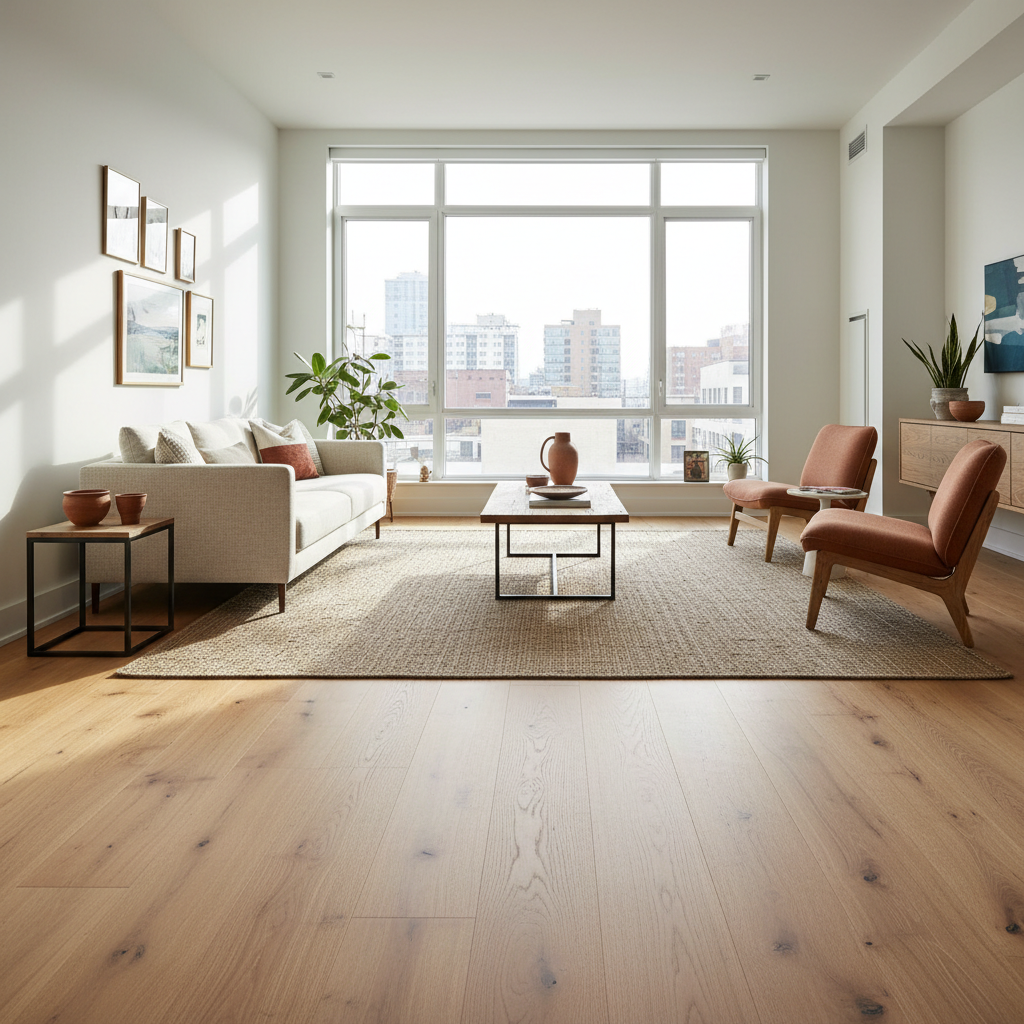
Toronto homeowners are entering 2025 with a renewed focus on comfort, authenticity, and elevated design. One of the biggest trends is the rise of warm, natural wood tones—honey, natural oak, and soft brown finishes are replacing the greys that dominated for nearly a decade. Wide plank hardwoods in 7 to 9 inch widths create sleek, uninterrupted looks that work in both modern condos and century homes.
Flooring Prices in Toronto: Real Budgets by Room and Material (2025)
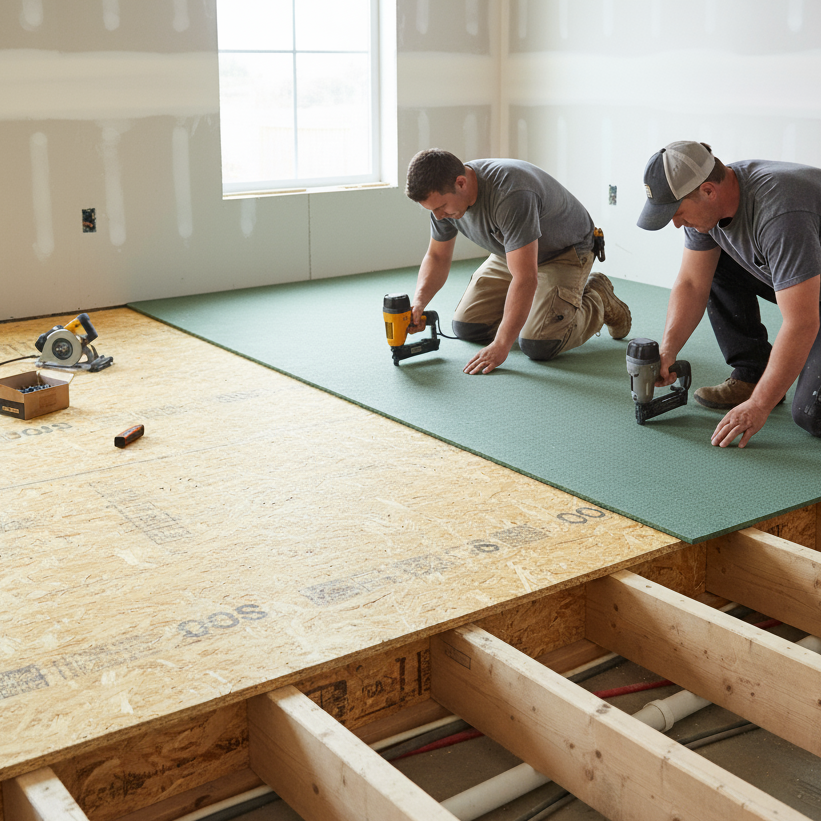
Flooring costs in Toronto vary with material, room size, and site prep. In 2025, most single-room projects land between $1,500–$4,000, while multi-room or whole-floor projects can run $6,000–$15,000+. The biggest swing factor is subfloor readiness—a level subfloor keeps labor tight and timelines smooth, while significant prep (self-leveling, moisture barriers, demo) can add materially to your quote.

Winter Flooring Care in Toronto: Salt, Slush, and Humidity Control
Toronto winters are tough on floors: salt and grit scratch finishes, slush causes stains and swelling, and dry air opens gaps in hardwood. A simple toolkit—good door mats, a boot tray, a microfiber mop, and a small humidifier—prevents most winter damage.
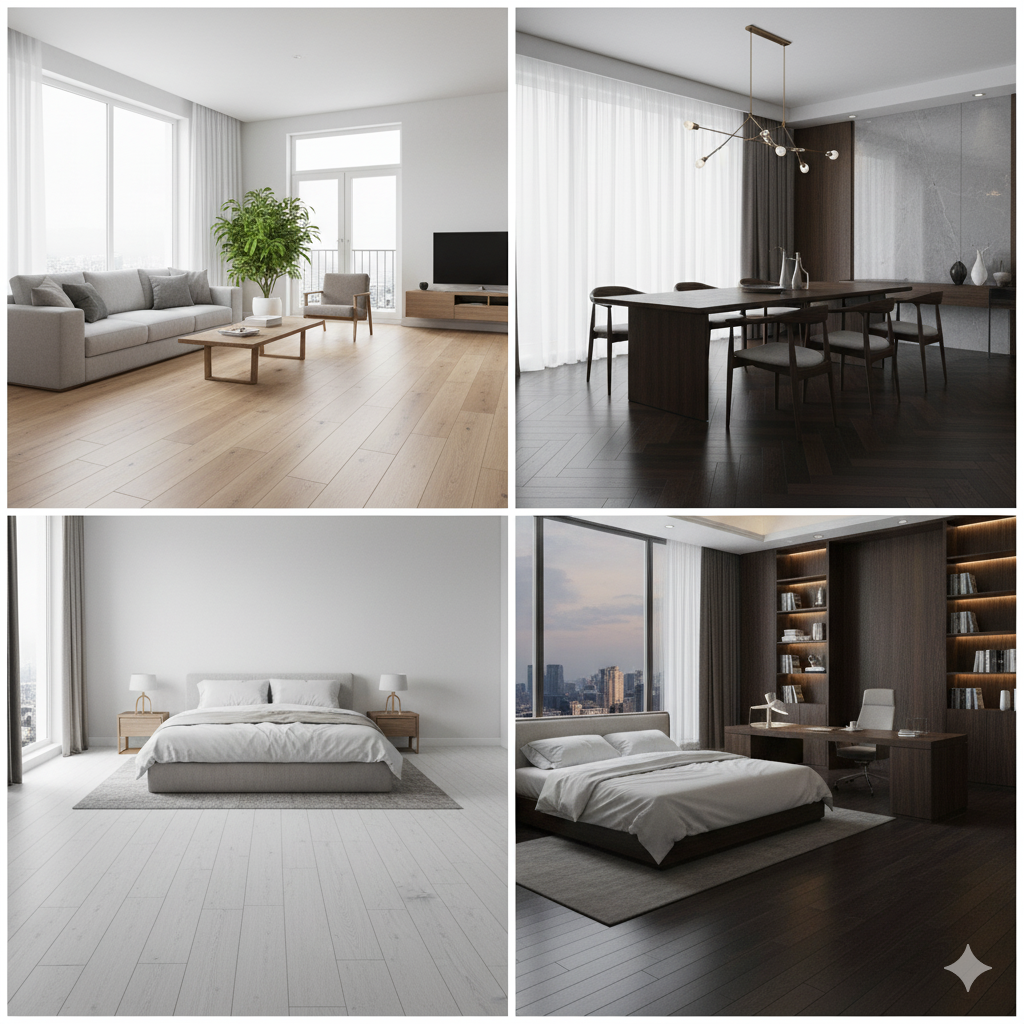
Types of Flooring for Home Renovations & New Builds: The Smart Buyer’s Guide
The right floor balances durability, moisture tolerance, comfort, acoustics, and total cost (material + install + prep). For most busy households, a mixed strategy wins: LVP/Tile in moisture-prone zones (kitchen, entry, basement), engineered hardwood or laminate in dry living areas, and carpet or area rugs for softness in bedrooms and stairs. If you’re in a condo or multi-unit, confirm sound ratings (IIC/STC) and underlay requirements before you buy.

Luxury Vinyl Plank vs. Laminate: Which Is Better for Toronto Homes?
If you need something that laughs at spills, moisture, and busy family life, luxury vinyl plank (LVP) is the safe pick. It’s waterproof, easy to clean, and ideal for basements and kitchens. If your priority is a firm, wood-like feel and a lower price point in dry rooms, laminate excels. In condos, LVP often gets the nod because it pairs well with sound-rated underlays that help meet building rules.

A Stairway to Style: Transforming Stairs with Godfrey Hirst Textural Delights Wool Carpet
Discover how a simple stair runner installation transformed our client's home. Using Godfrey Hirst's Textural Delights wool carpet, we turned an ordinary staircase into a stunning focal point. Learn about the practical benefits of stair runners and why this premium wool carpet was the perfect choice for adding style, comfort, and safety to our client's stairs. See how small changes can make a big impact in home design.

Our Home's Luxurious Makeover with Flyt Herringbone Flooring
"When my family and I decided to upgrade our home's flooring, we chose the premium Flyt Herringbone collection from Flooring and Home, and the results exceeded our expectations. The timeless elegance of the herringbone plank style, combined with the durability of the Bona Naturale finish and subtle texture, has transformed our home. Exceptional service from Aftab and Nicole made the entire process smooth and enjoyable, and the craftsmanship during installation was impeccable. Our new flooring is not just beautiful but also practical, offering durability and easy maintenance. We couldn't be happier with our decision."