
2026 Flooring Trends: What’s In and What’s Out for Modern Homes in Toronto
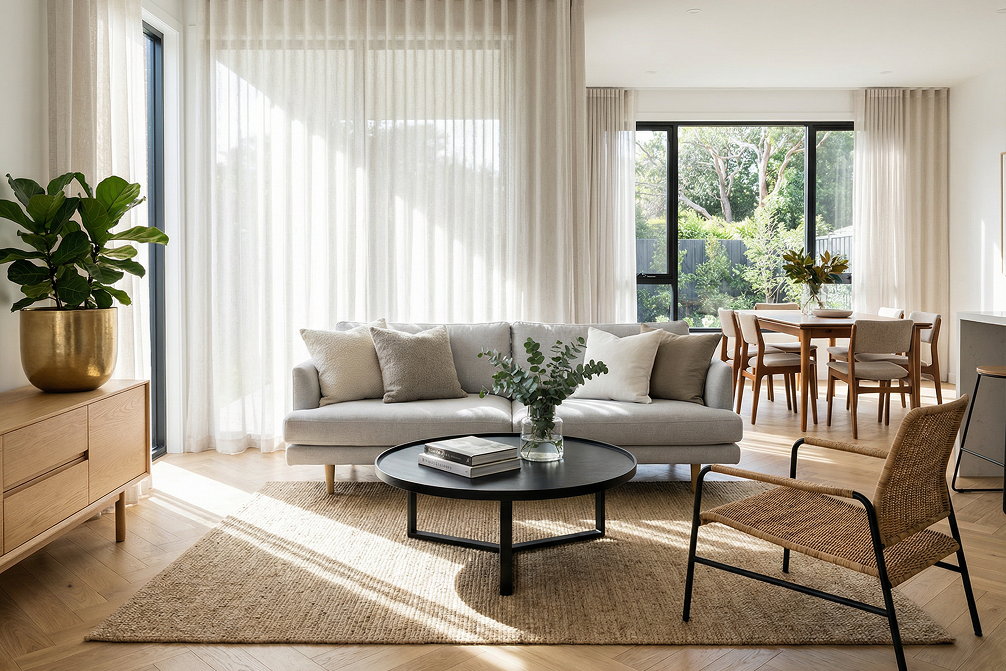
Flooring trends in 2026 are shifting toward warmth, durability, and long-term practicality. In Toronto and across the GTA, homeowners are no longer picking floors based on photos alone. They are choosing materials that can handle Canadian seasons, day to day wear, and the realities of basements, condos, kids, pets, and open concept layouts.
If you have been researching home renovation ideas, you have probably noticed that the same questions come up again and again. What flooring is in style in 2026. What adds resale value. What is waterproof. What is quiet enough for condo bylaws. What can survive a busy household without constant maintenance. This guide answers those questions and gives you a clear picture of what is in, what is out, and how to choose the right trend for your home.
Why 2026 Flooring Trends Look Different Than Past Years
In the last decade, many flooring trends were driven by colour and look. In 2026, performance is driving design. That means the most popular styles are the ones that combine a modern aesthetic with practical benefits. Three factors are shaping 2026 floors more than anything else:
Warmth and natural tones replacing cool grey palettes
Materials designed for moisture, temperature changes, and durability
Open concept design where one continuous floor needs to work everywhere
Trend 1: Warm Natural Tones Are Replacing Cool Grey
Cool grey floors had a long run. In 2026, warm neutrals and natural wood tones are clearly leading demand. The shift is simple. Warm floors make a space feel more inviting, they work with popular paint and cabinet colors, and they look less dated as design moves toward organic, natural interiors.
The most requested tones in 2026 include:
Natural white oak
European oak inspired visuals
Honey beige
Warm sand tones
Soft walnut
If you are renovating for resale, warm oak tones are the safest and broadest appeal option right now. If you are renovating to live in the home long term, warm tones also make daily living feel more comfortable, especially in winter months when Toronto homes can feel cooler.
Trend 2: Wide Plank Is the New Standard
Another major trend is plank size. Narrow strip hardwood is being replaced by wider, longer boards across both real wood and wood look materials.
Why wide plank is winning:
It makes rooms feel larger because there are fewer visual breaks
It looks more modern and upscale
It reduces the busy appearance that narrow strips can create
It photographs better for listings and marketing
In Toronto, wide plank engineered hardwood is especially popular on main floors. In condos, wide plank laminate and luxury vinyl plank provide a similar aesthetic with better acoustics and moisture tolerance.
Trend 3: Engineered Hardwood Continues to Lead Premium Renovations
Hardwood remains a top choice in 2026, but engineered hardwood has become the default for most renovation projects. Engineered products are more stable than solid wood in Canadian climates because they expand and contract less when humidity changes.
This matters in Toronto where:
Winter heating dries the air and shrinks wood
Spring and summer humidity can cause expansion
Basements and slab foundations require special consideration
Engineered hardwood gives you real wood on top while being more forgiving underneath. If you want the hardwood look with fewer long-term concerns, engineered is often the best fit.
Trend 4: Luxury Vinyl Plank Stays Dominant Because It Solves Real Problems
Luxury vinyl plank, often called LVP, remains one of the most popular flooring choices in 2026 for a simple reason. It solves the practical problems homeowners face, especially in kitchens, basements, and busy households. In 2026, high quality vinyl is not the vinyl of the past.
Premium products feature:
Waterproof rigid core construction
Realistic embossed textures that match the printed grain
Wider and longer plank formats
Matte top coats that reduce shine and look more natural
Integrated underlayment options for comfort and sound reduction
Homeowners choose LVP because it is waterproof, scratch resistant, and easier to maintain than many alternatives. It is also a strong option for families and pet owners who want a wood look floor without worrying about spills, dents, or constant upkeep.
Trend 5: Basement Flooring Is Driving More Waterproof Choices
Basement renovations continue to be a major focus for Toronto homeowners. As more people finish basements for family rooms, guest suites, home offices, and rental units, flooring choices are becoming more performance-driven.
Top basement flooring options in 2026:
Waterproof luxury vinyl plank
Broadloom carpet with moisture resistant underpad
Engineered wood with a proper vapor barrier system
Broadloom carpet is seeing renewed interest for basements because it adds warmth and comfort in colder spaces. The key is choosing durable fibers, a modern color or pattern, and proper moisture management underneath.
Trend 6: Quiet Flooring for Condos and Multi Unit Homes
Condo renovations are growing and condo bylaws often require specific sound performance. In 2026, buyers and owners are prioritizing quiet living and acoustic underlayment systems.
Popular condo flooring in 2026 includes:
Laminate flooring with acoustic underlayment
Vinyl plank with sound reducing backing
Engineered hardwood with a certified sound barrier
If you are renovating a condo, you should always confirm board requirements before choosing materials. The right floor should look great and meet sound compliance to avoid issues after installation.
Trend 7: Pattern Installs Like Herringbone and Chevron Are Rising
In higher end renovations, herringbone and chevron patterns continue to grow. These layouts add a luxury feel and are often used in entryways, dining rooms, and feature areas. Pattern installs require higher craftsmanship and come with higher labor costs. They are best used when you want a design statement and your budget supports the extra work.
What’s Out in 2026
Trends that are fading in 2026 include:
Dark espresso floors that feel heavy in modern interiors
High gloss finishes that show scratches and glare
Narrow strip hardwood that looks dated compared to wider formats
Cool blue grey tones that no longer match the warm interior trend
Flooring That Adds the Most Resale Value in 2026
If ROI matters, these are consistently strong choices in Toronto:
Wide plank engineered hardwood in natural warm tones
Premium luxury vinyl plank with realistic texture and matte finish
Typical Installed Costs in Toronto (2026)
Pricing varies by subfloor, removal, and complexity, but common ranges are:
Engineered hardwood: $9 to $15 per square foot installed
Luxury vinyl plank: $6 to $10 per square foot installed
Porcelain tile: $12 to $20 per square foot installed
If subfloor leveling or moisture mitigation is required, costs can increase. Condo projects can also include extra logistics like elevator bookings and documentation.
How to Use Trends Without Overdoing It
The best renovations use trends as guidance, not as strict rules. Choose a floor that fits your lifestyle first, then select a style that aligns with 2026 preferences. Warm natural tones, wide planks, matte finishes, and practical durability are the safe direction for most homes.
-
Wide plank engineered hardwood and premium luxury vinyl plank are leading choices because they combinmodern style with real-world durability
-
Cool grey is declining. Warm neutrals and natural oak tones are trending more strongly and have wider resale appeal
-
Engineered hardwood, especially wide plank natural oak, continues to deliver strong ROI in Toronto listings.
-
Waterproof luxury vinyl plank is the safest option. Broadloom carpet is also popular when paired with moisture resistant underpad and proper prep.
