
Flooring for Older Toronto Homes: What to Know Before Renovating
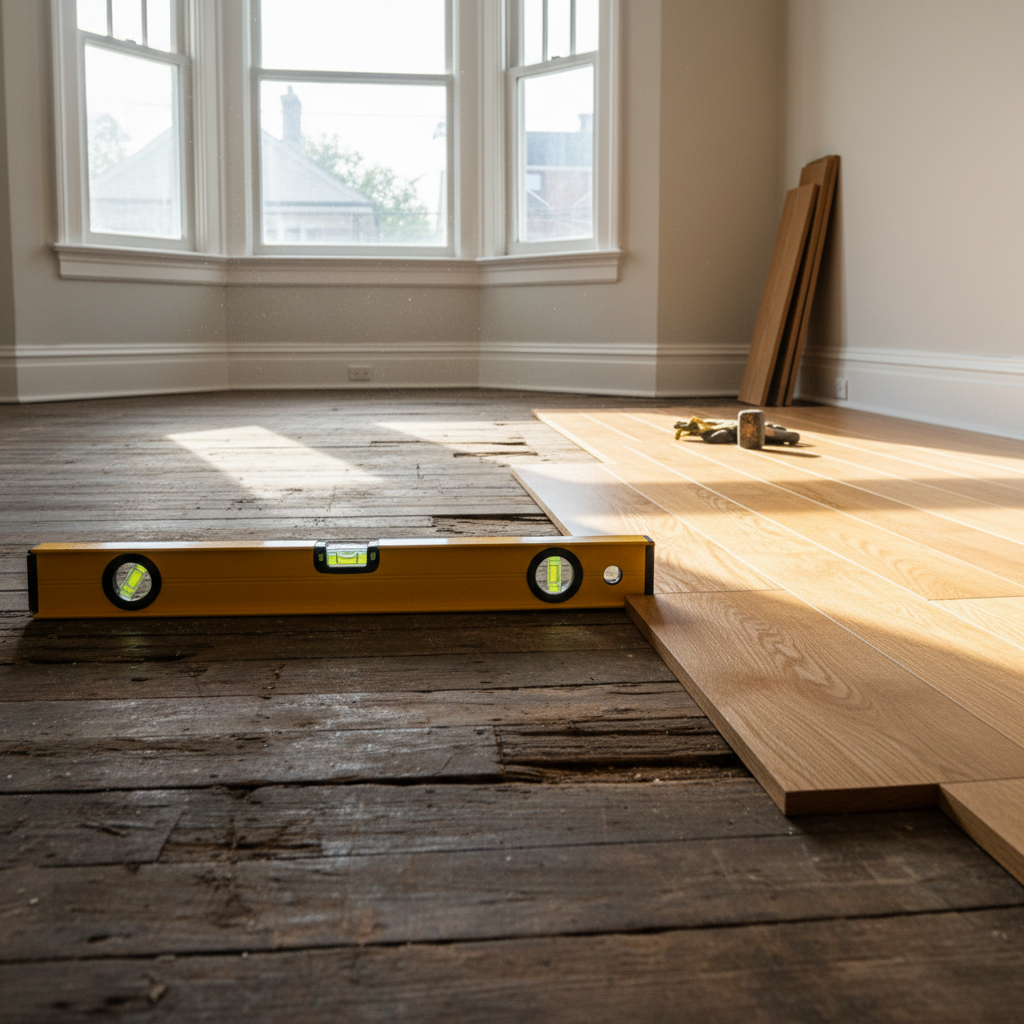
Toronto’s older homes, particularly those built before the 1970s, offer charm that modern builds cannot replicate. However, they often come with unique flooring challenges that require thoughtful planning. Before choosing materials, homeowners should understand the structural and environmental conditions common in older Toronto properties.
One of the biggest issues is uneven subfloors. Over decades, homes settle and shift, creating dips and slopes. Installing flooring on an uneven surface leads to squeaks, gaps, and premature damage. Levelling the subfloor or applying self-levelling compounds is often required before installation. This step is especially important for hardwood and tile, which require flat surfaces to perform well.
Another factor is moisture. Older Toronto basements and main floors often experience humidity swings or minor leaks. Luxury vinyl plank or tile are strong options for these areas because they resist moisture and remain stable. For upper levels, engineered hardwood works well because it provides the look of solid wood while handling temperature and humidity changes more effectively.
Preserving character is a priority for many homeowners. If original hardwood floors exist, refinishing may be an option. Many Toronto homes reveal beautiful red oak or maple floors once carpets are removed. Restoring these can maintain the historic charm while adding modern durability through new stains and finishes.
When replacing floors entirely, consider wide plank engineered hardwood in natural tones. It offers a premium aesthetic that complements older architecture without appearing overly modern. Pairing hardwood with custom area rugs helps define spaces and add warmth.
Finally, consider insulation. Some older homes have drafty floors or minimal soundproofing. Adding proper underlayment or insulation beneath the flooring improves comfort and energy efficiency, especially on main floors.
By understanding the quirks of older Toronto homes, homeowners can choose flooring that enhances beauty while addressing structural realities.
-
Yes, but engineered hardwood is usually better for uneven subfloors and humidity swings.
-
Often they are. Many original hardwood floors in Toronto have excellent quality.
-
Luxury vinyl plank or tile are strong, stable choices.
